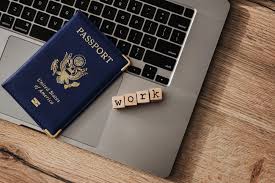
Digital nomad visas allow remote workers to legally live and work in another country for a set period. Requirements vary greatly by nation, often including proof of income, health insurance, a clean criminal record, and employment status. Careful planning and document preparation are key to a successful application.
Understanding Digital Nomad Visas
So, what exactly is a digital nomad visa? Think of it as a special permit. It lets people who work online live in a country for longer than a tourist visa allows.
But here’s the key part: you must not work for a local company. Your work is for clients or employers based outside that country. This distinction is super important.
It’s what makes these visas different from work permits.
Why do countries offer these? They want to attract skilled workers. These workers bring money into the country.
They also spend money on local services. Think hotels, restaurants, and shops. It’s a win-win situation.
The country gets an economic boost. You get to live and work in a new place. It’s a fantastic way to combine travel and career goals.
Each country has its own rules. Some are very welcoming. Others have stricter guidelines.
We’ll explore some common themes. We will also highlight differences. This will help you prepare for any application.
It’s about being informed. It’s about knowing what’s expected.
My Own Visa Adventure
I remember my first time applying for a remote work visa. It was for a country I’d always dreamed of visiting. I had my freelance work lined up.
I had saved money. I thought I was all set. Then I looked at the visa requirements.
My heart sank a little. There were forms I’d never seen before. I needed documents I didn’t have ready.
I felt a bit overwhelmed.
I spent days reading official websites. I joined online forums for digital nomads. I emailed the embassy multiple times.
It was a lot of digging. I learned that my income proof needed to be very specific. They wanted tax returns from the last two years.
I also needed a letter from each of my clients. This letter had to state my role and that my work was remote. It felt like a lot of busywork.
But I knew it was crucial for success.
Slowly, I gathered everything. I double-checked every single detail. The waiting period was tough.
But when that approval email finally arrived, it was pure relief. It taught me that preparation is everything. Getting the right documents makes a huge difference.
It smooths out the whole process. It stops those moments of panic.
Common Digital Nomad Visa Requirements
Income Threshold: Most countries set a minimum monthly or annual income. This shows you can support yourself.
Proof of Employment: You need to show you work remotely. This could be a contract or client letters.
Health Insurance: Comprehensive coverage is usually mandatory. It protects you and the host country.
Clean Criminal Record: A police certificate is often required. This ensures you have no serious offenses.
Valid Passport: Your passport must have enough validity. It needs to cover your stay.
Accommodation: Some visas ask for proof of lodging. This could be a hotel booking or lease agreement.
Key Eligibility Criteria
Before you even start filling out forms, you need to check if you qualify. Eligibility is the first big step. Countries want to ensure you meet certain standards.
They want people who will be good guests. They want people who won’t become a burden.
One of the most frequent requirements is your income. This is really important. Countries want to see that you earn enough money.
This money must come from sources outside their country. The amount varies a lot. Some might ask for $2,500 USD a month.
Others might need $5,000 USD or more. Always check the exact figure for the country you’re interested in.
Your employment status also matters. You usually need to be employed by a company outside the country. Or you could be a freelancer with clients abroad.
Some visas allow self-employed individuals. Others might have rules about how long you’ve been self-employed. It’s about showing a stable work situation.
Next up is health insurance. This is non-negotiable for most places. You need a policy that covers you while you are in their country.
This protects you if you get sick or injured. It also protects the local healthcare system. Make sure your policy meets their specific coverage limits.
Finally, your travel history and criminal record are checked. Most countries require a police certificate. This document shows you have no serious criminal history.
It’s a standard security measure. They also look at your passport. It needs to be valid for a good amount of time.
Often, it needs to be valid for at least six months beyond your planned stay.
Proof of Income: What It Looks Like
Pay Stubs: Recent monthly or bi-weekly paychecks.
Bank Statements: Several months showing consistent income deposits.
Tax Returns: Filed tax documents from the past 1-2 years.
Employment Contract: A formal agreement detailing your role and pay.
Client Letters: For freelancers, letters from clients confirming work and payment.
Navigating Application Processes
Applying for a digital nomad visa can seem like a maze. But breaking it down makes it easier. The first step is always research.
Find the official government website for the country’s immigration service. This is your most reliable source of information. Do not rely on unofficial blogs alone.
Once you find the right visa type, read the requirements carefully. Make a checklist. What documents do you need?
Are there specific forms to fill out? What are the fees? Note down application deadlines.
Many applications can be started online. Some require you to apply through an embassy or consulate in your home country. You might need to book an appointment.
This is often a critical step.
Gathering documents is the most time-consuming part. Ensure all documents are translated if they are not in the country’s official language. Many countries require official translations.
You might also need to get certain documents notarized or apostilled. An apostille is a form of authentication recognized by countries that are part of the Hague Convention.
When filling out forms, be honest and accurate. Do not leave any sections blank. If a question doesn’t apply to you, write “N/A” (not applicable).
Double-check all your information before submitting. A small mistake can cause delays or even rejection.
After submitting, there’s often a waiting period. This can range from a few weeks to a few months. Be patient.
Track your application status if the portal allows. Avoid contacting the immigration office too often. This can sometimes slow things down.
Quick Application Tips
Start Early: Give yourself plenty of time. Gather documents well in advance.
Be Organized: Keep all your documents in one place. Use folders and a checklist.
Read Everything: Do not skip any details on the application or requirements.
Professional Help: If unsure, consider an immigration lawyer or consultant.
Check Validity: Ensure your passport and other documents won’t expire soon.
Specific Country Requirements
Let’s look at a few popular spots for digital nomads. This gives you a concrete idea of what to expect. Rules change, so always verify on the official sites.
Portugal: Portugal has a popular D7 visa, which is good for passive income earners. They also have a specific Digital Nomad Visa (Visa D8) for remote workers. You typically need to show proof of income of at least €3,040 per month.
You also need accommodation and health insurance. The process involves applying through the Portuguese consulate in your country. It’s known for being quite efficient.
Spain: Spain offers a Digital Nomad Visa. To qualify, you generally need to earn about €2,520 per month. You must have been working remotely for the same company for at least a year.
Your company must also be based outside Spain. You’ll need proof of employment, health insurance, and a clean criminal record. Applications are usually made at the Spanish consulate or embassy.
Croatia: Croatia has a temporary stay permit for digital nomads. This isn’t strictly a “visa” but a permit. You need to prove you’re not a burden.
This means showing about €2,500 in monthly income. You also need health insurance and accommodation. The permit is for up to a year.
You can’t extend it. You must leave Croatia after it expires. You can’t reapply for 6 months.
Estonia: Estonia was one of the first countries to offer a dedicated digital nomad visa. They call it a “digital nomad residence permit.” You need to prove you earn at least €3,504 per month. You also need a valid passport and health insurance.
The visa allows you to stay for up to a year. You can’t work for Estonian companies with this permit. Applications are submitted online.
Digital Nomad Visa Snapshot
Portugal: Income approx. €3,040/month. D8 Visa.
Spain: Income approx. €2,520/month. Digital Nomad Visa.
Croatia: Income approx. €2,500/month. Temporary Stay Permit (1 year).
Estonia: Income approx. €3,504/month. Digital Nomad Residence Permit.
What About Taxes?
Taxes are a big question for digital nomads. And the answer is: it depends. Each country has its own tax laws.
Your home country also has its own rules.
Generally, if you get a digital nomad visa, you are considered a resident for tax purposes in that country. This means you might have to pay income tax on your earnings. The amount of tax depends on the country’s tax rates and your income level.
Some countries have special tax breaks for digital nomads. Others do not.
It’s crucial to understand your tax obligations. You need to know if you have to file taxes in your host country. You also need to know if you still owe taxes in your home country.
Some countries have tax treaties. These treaties prevent you from being taxed twice on the same income.
Ignoring taxes can lead to serious problems. This includes fines and legal issues. It’s highly recommended to consult with a tax advisor.
Find one who specializes in international tax law. They can help you navigate this complex area. They can ensure you are compliant.
This way, you can avoid unwelcome surprises.
Health and Safety Considerations
When you move to a new country, your health and safety are paramount. As we’ve mentioned, health insurance is usually a requirement for visas. Make sure your policy is robust.
It should cover medical emergencies, hospitalization, and repatriation if needed. Know how to access healthcare in your new location.
Research common health concerns in the region. Check if any vaccinations are recommended or required. Pack a basic first-aid kit with essentials.
Safety is also a big factor. Research the general safety of the areas you plan to live and work in. Read travel advisories from your home country’s government.
Be aware of your surroundings. Use common sense. Keep your valuables secure.
Avoid risky situations.
Having a plan for emergencies is wise. Know the local emergency numbers. Share your travel plans with trusted friends or family back home.
Have copies of important documents stored securely online.
Safety Checklist for Nomads
Local Emergency Numbers: Save them to your phone.
Health Insurance Details: Know your provider and policy number.
Copies of Documents: Keep digital and physical backups.
Trusted Contacts: Share your itinerary and check in regularly.
Awareness: Be mindful of your surroundings and local customs.
Potential Challenges and How to Overcome Them
Life as a digital nomad is amazing, but it’s not always smooth sailing. There are common challenges that pop up. Being aware of them helps you prepare.
Loneliness: Being far from friends and family can be hard. You might feel isolated at times. * Solution: Join local digital nomad groups.
Attend meetups and coworking events. Stay in touch with loved ones via video calls. Consider staying in social accommodations.
Visa Runs and Renewals: Some visas have short durations. You might have to do “visa runs” to reset your clock. This can be tiring.
* Solution: Plan your stays to align with visa durations. Research countries that offer longer-term options. Look into visa renewal processes early.
Internet Connectivity: Reliable internet is your lifeline. It can be a problem in some places. * Solution: Always research internet speeds before booking accommodation.
Look for places with coworking spaces. Consider getting a local SIM card with a good data plan or a portable Wi-Fi hotspot.
Cultural Differences: Adjusting to a new culture takes time. Misunderstandings can happen. * Solution: Learn a few basic phrases in the local language.
Read up on local customs and etiquette before you go. Be open-minded and respectful.
Financial Management: Managing money across different currencies and banking systems can be tricky. * Solution: Use travel-friendly bank accounts or apps that offer low fees for international transactions. Keep a detailed budget.
Have a backup payment method.
When to Seek Professional Help
While many visa applications are straightforward, sometimes you need an expert. This is especially true if your situation is complex. Or if you’re applying to a country with very strict rules.
Consider consulting an immigration lawyer or a visa specialist. They can help you understand specific requirements. They can guide you through the application process.
They can also help if you’ve had previous visa issues. Their knowledge can save you time and prevent costly mistakes.
A tax advisor is another professional you might need. As discussed, taxes can be complicated. An international tax expert can help you comply with regulations.
They can advise on tax treaties and potential liabilities. This peace of mind is often worth the cost.
Frequent Questions
What is the average income requirement for a digital nomad visa?
The average income requirement typically ranges from $2,500 to $3,500 USD per month. However, this varies greatly by country. Some countries may ask for more, while others might have slightly lower thresholds.
Always check the specific country’s official immigration website for the exact amount.
Can I work for a local company on a digital nomad visa?
No, you generally cannot work for a local company on a digital nomad visa. These visas are intended for individuals who work remotely for companies or clients based outside of the host country. Working for a local employer usually requires a different type of work visa.
How long does it take to get a digital nomad visa?
The processing time for digital nomad visas can vary significantly. It might take anywhere from a few weeks to several months. Factors like the country, the volume of applications, and the completeness of your submission affect the timeline.
It’s best to start the application process as early as possible.
Do I need to have a specific type of contract to prove my employment?
Most countries require a formal contract or a letter from your employer. This document should confirm your employment status, your role, your remote work arrangement, and your salary. For freelancers, letters from multiple clients detailing your services and payment are often accepted.
Ensure these documents are clear and official.
What happens if my digital nomad visa is rejected?
If your visa is rejected, the immigration authority will usually provide a reason. You may be able to reapply after addressing the specific issues. Sometimes, you can appeal the decision.
It’s advisable to understand the exact reason for rejection before reapplying or appealing. Consulting with an immigration professional can be helpful in such cases.
Can I bring my family on a digital nomad visa?
This depends entirely on the country and the specific visa. Some digital nomad visas are strictly for the individual applicant. Others may allow dependents, such as a spouse or children, to accompany you.
You will likely need to provide additional documentation and meet higher financial requirements for each dependent. Check the visa details carefully.
Final Thoughts
Obtaining a digital nomad visa is a key step in your remote work journey. It opens doors to new experiences. It allows you to blend work and travel seamlessly.
While the requirements can seem complex, they are manageable with careful planning. Understand the eligibility. Gather your documents.
Follow the application steps precisely.
Remember that each country has its own unique process. Always refer to official sources. Do not hesitate to seek professional advice if needed.
With the right preparation, you can navigate the system. You can soon be working from your dream destination. Enjoy the adventure!